

General Pest Control
A practical starting point when you are not sure what you saw.
Explore general pest controlStart with what you have seen, heard or found. We help property owners match the evidence to the relevant inspection or service and understand the practical next step.
Coverage is limited to ZIP codes 21701–21705.

Finding the right pest control in Frederick, MD starts with identification. An ant trail, discarded wings, scratching in a wall and bites after sleeping are four different clues. Each needs its own questions, inspection areas and control options.
Choose the concern that sounds familiar below. Every service page explains warning signs, the likely scope of a professional conversation, sensible preparation and the factors that can change a quote. The cards use pest-specific editorial images so visitors can scan the catalogue without treating a generic spray photograph as proof of every service.
A practical starting point when you are not sure what you saw.
Explore general pest control


Address current activity and the routes that let it return.
Explore rodent control & exclusion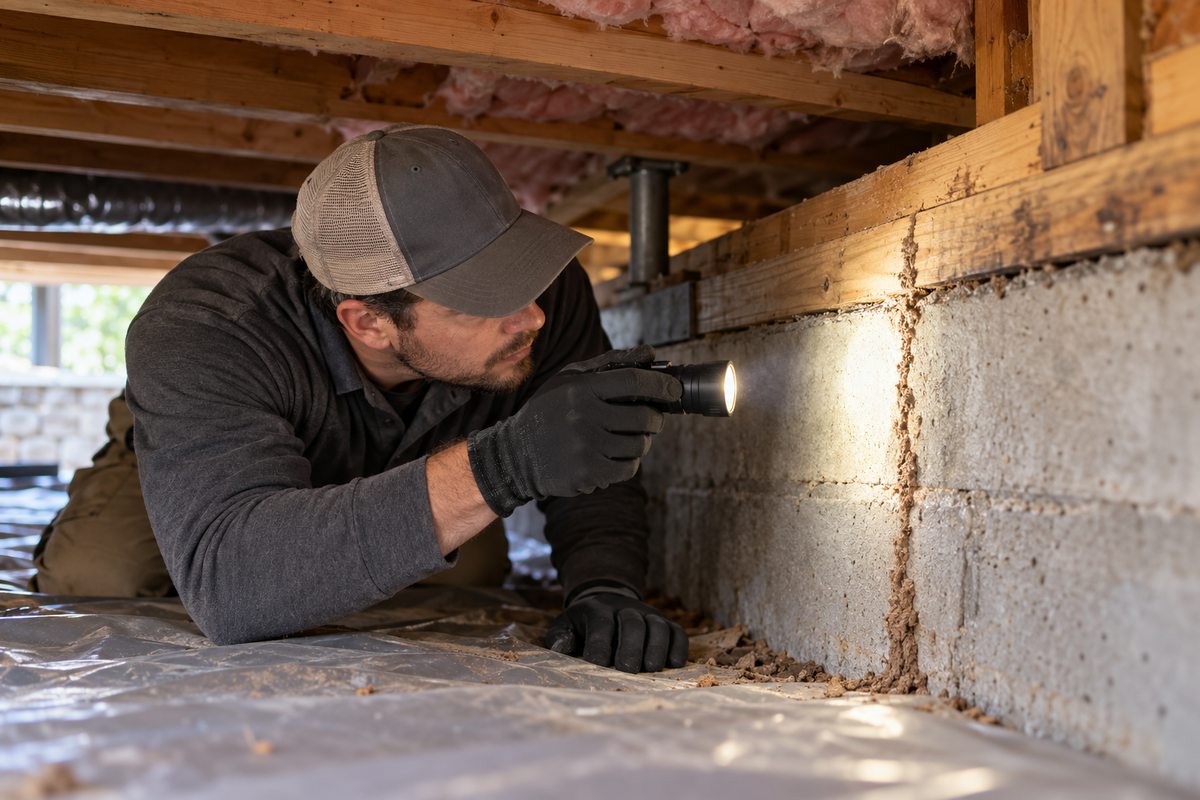

Clear findings for property decisions.
Explore wood-destroying insect inspections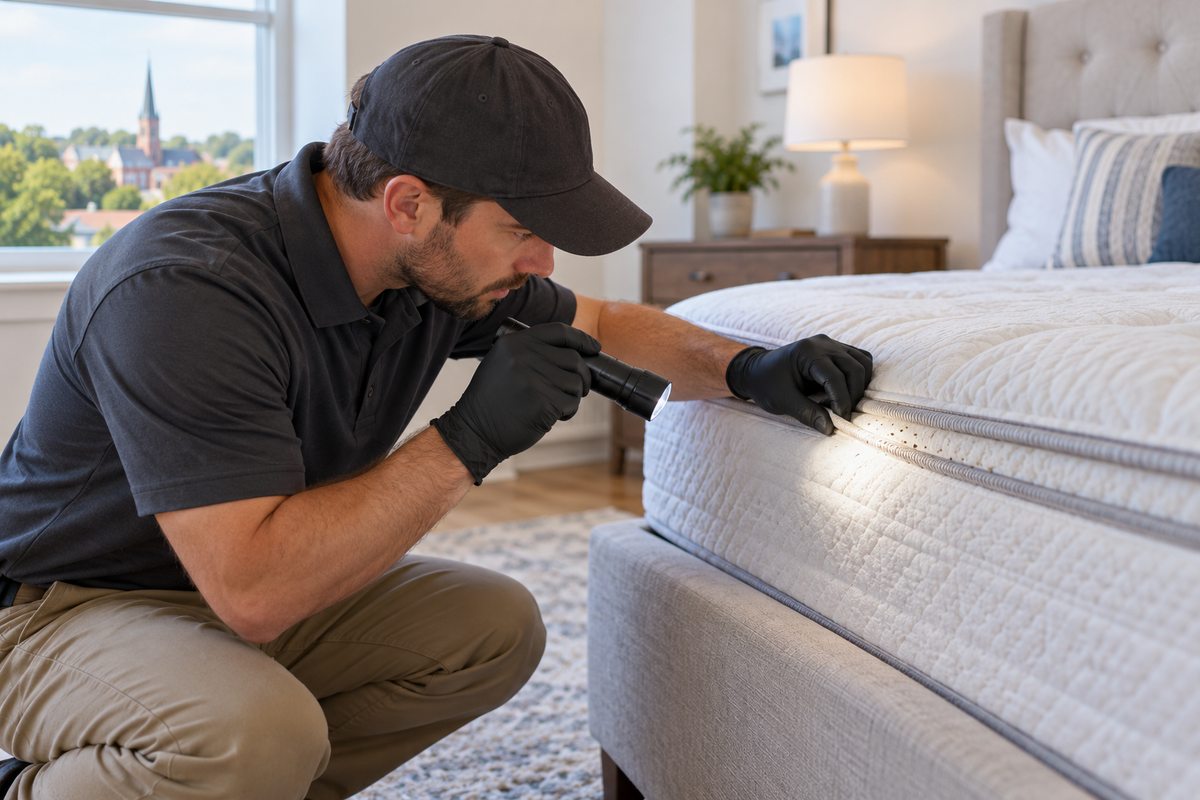

Include the yard, vegetation and water sources in the assessment.
Explore mosquito & tick control
Describe the nest without putting yourself closer to it.
Explore bee, wasp & hornet control

Treat the pest and the conditions that bring it indoors.
Explore spiders & occasional invaders
Effective pest control in Frederick, MD should answer more than “what can be sprayed?” The first questions are what pest is present, where activity occurs, what conditions support it and whether the evidence is current. University of Maryland Extension provides identification guidance for common indoor pests, including ants, cockroaches, pantry insects and occasional invaders. Its guidance also shows why a photograph or specimen can be more useful than a description such as “small brown bug.”
Look-alikes matter. Winged ants can be mistaken for termite swarmers. Carpet beetle larvae may be blamed for skin irritation even when they are feeding on natural fibers. Pantry moth adults may appear far from the food package where larvae developed. Bites alone cannot confirm bed bugs because skin responses vary and resemble other conditions.
The U.S. Environmental Protection Agency describes Integrated Pest Management as a process that uses identification, monitoring, prevention and appropriate control. That approach can include pesticides, but it also examines leaks, food, entry gaps, standing water, clutter and habitat. Correcting a supporting condition can make targeted control more effective and reduce unnecessary exposure.
For a useful first call, record the room or exterior area, time of day, frequency, weather or moisture conditions and anything recently moved into the property. Keep clear photographs or an intact specimen only when that can be done safely. Do not disturb wildlife, stinging-insect traffic, suspect rodent waste or damaged structural material for a closer look.
Ant trails may lead toward food, moisture or a nesting area. Cockroach spotting, egg cases and monitor captures can concentrate around warm appliances or plumbing. Shed skins, wings and webbing can support identification, but they need context.
Scratching after dark, damaged packages and droppings along protected edges can indicate rodents. Old evidence can remain after activity changes, so location and freshness are important. CDC guidance says dry rodent waste should not be swept or vacuumed.
Mud-like shelter tubes, swarmers or damaged wood justify a termite assessment. Standing water can support mosquitoes. Repeated traffic at one wall, ground or eave opening may identify a stinging-insect nest entrance.
Signs support an enquiry; they do not establish a diagnosis by themselves. If structural damage, contamination, repeated bites, wildlife or a sting risk is involved, keep the area undisturbed and request an appropriate assessment.
Seasonal patterns help owners know where to look, but they are not a treatment schedule. Weather and conditions at an individual property still determine what is active.
Spring moisture and warming temperatures can coincide with ant movement and winged insects. Save a specimen instead of deciding from wings alone. Termites generally have a broad waist, straighter antennae and two pairs of similarly sized wings; winged ants have a pinched waist, elbowed antennae and longer front wings.
Warm weather increases outdoor exposure. EPA and CDC guidance emphasizes emptying, scrubbing, covering or discarding water-holding containers. Tick prevention also combines habitat management, body checks and correctly used repellents rather than relying on one yard application.
Maryland Extension notes that yellowjackets tend to become a greater problem from late summer into early fall. Cooling weather can also make gaps around doors, utilities and foundations more important as rodents and occasional invaders seek protected spaces.
Rodent sounds, cockroach activity near warmth, stored-product pests and insects in basements or utility rooms can continue indoors. Winter is also useful for addressing access, storage, moisture and sanitation before the next outdoor season.
Our detailed Frederick seasonal pest calendar turns these patterns into a property checklist.
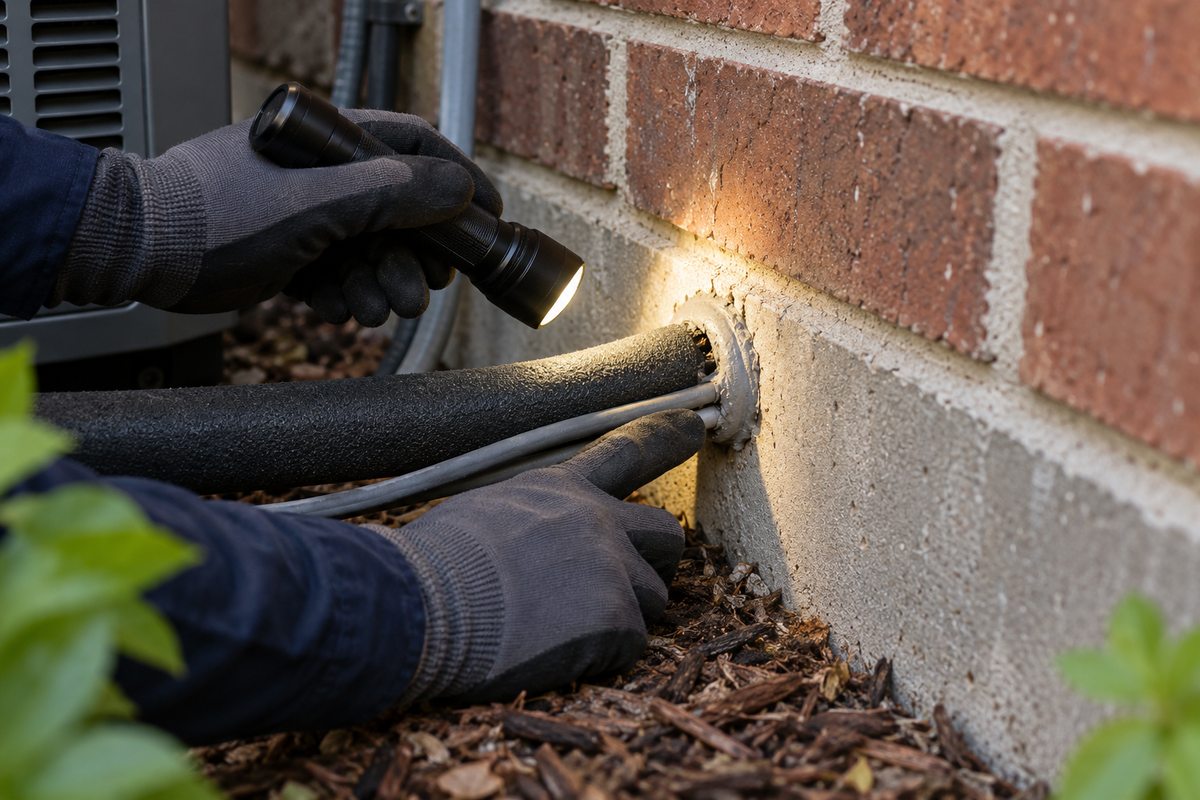
Professional pest control in Frederick, MD should follow a clear sequence instead of jumping from a phone description to an unsupported promise.
Share the property ZIP, affected areas, when signs began, photographs or specimens, and every product already used.
Confirm the target pest and examine accessible food, water, shelter, travel and entry conditions. Record inaccessible areas that limit the assessment.
Discuss sanitation, moisture correction, exclusion, monitoring and carefully targeted products where appropriate.
Get written instructions and understand how results will be checked. Treatment, cleanup, exclusion and structural repair may be separate tasks.
Residential pest control in Frederick, MD needs to account for the way a home is built and used. Detached houses, row homes, apartments and historic structures may have different foundations, shared walls, utility routes, attics and crawlspaces. A recommendation that fits one property may be inappropriate next door.
Ant and cockroach work often focuses on species, food, moisture and protected harborages. Rodent control should address present activity and the routes that allow re-entry. Bed bug treatment begins with confirmation because bites alone are not diagnostic. Flea work should coordinate property treatment with veterinary guidance for animals. Spiders and occasional invaders may point toward entry gaps, exterior lighting, prey insects, moisture or seasonal movement.
Termites and other wood-destroying insects require particular care. Visible tubes, swarmers or wood changes may justify inspection, but they do not show the full extent of activity. Maryland property-transfer WDI reports have formal documentation requirements and limitations; they are not structural warranties. Treatment and damaged-material evaluation should be clearly separated.
Wildlife activity in attics, rooflines or crawlspaces also requires species-specific and lawful work. An opening should not be closed until the risk of trapping an animal or separating dependent young has been considered. Ask which wildlife credentials or permits apply to the proposed task.
Commercial pest control in Frederick, MD involves more than choosing a product. Food-handling sites, offices, storage buildings, rentals and multi-family properties have different inspection routes, access windows, reporting requirements and consequences when a problem crosses shared spaces.
EPA guidance for housing managers emphasizes a team-based IPM approach: inspect and monitor, remove food and water, reduce hiding places, exclude movement and use targeted controls. In an apartment building, a resident may control food storage while maintenance controls plumbing and utility gaps and management coordinates access to adjoining units. Treating only the room where an insect was reported may miss the route sustaining activity.
Businesses should describe operating hours, sensitive areas, delivery and waste zones, tenant or employee reports and any audit documentation needed. A service proposal should say how findings are recorded, which areas are included, who handles sanitation or repairs, and when monitoring data will be reviewed.
Explore commercial pest management
A closer look at pest-control equipment and representative interior, exterior and arrival settings.





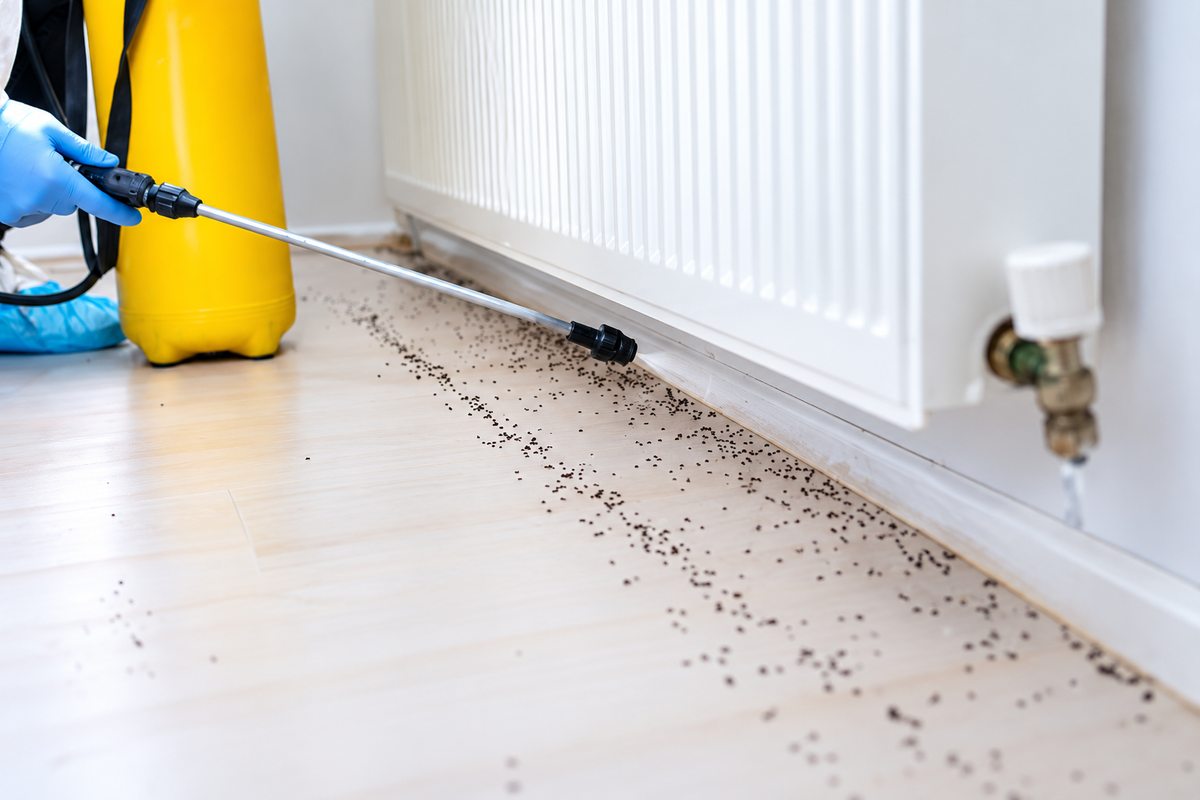

Outdoor pest control in Frederick, MD has limits because mosquitoes, ticks and wildlife move across open property boundaries. A useful plan sets realistic goals, defines the treatment zone and combines control with changes the owner can maintain.
For mosquitoes, start with water. Buckets, flowerpot saucers, tarps, toys, wheelbarrows, birdbaths, clogged gutters and poorly covered rain containers can hold water after a storm. EPA and CDC guidance recommends a weekly routine to empty, scrub, turn over, cover or discard appropriate items. Any pesticide used in water or vegetation must be labeled for that target and location.
Tick management focuses on exposure zones: paths, play areas, pet routes and transitions between maintained lawn and dense leaf litter or brush. CDC recommends body checks after outdoor activity and other personal precautions. Yard work and treatment may reduce encounters in frequently used areas, but no responsible provider should guarantee a tick-free yard.
Stinging insects call for distance. Record repeated flight traffic from a safe location and do not block an active wall opening, climb toward an overhead nest or pour fuel into a ground entrance. Share nest height, access, indoor activity and known allergy concerns before a visit.
A responsible quote for pest control in Frederick, MD depends on more than the name of the pest. Property size, affected rooms, activity level, construction, access, previous products, inspection requirements, materials, follow-up and separately needed repairs can all change the work.
Prices, availability and treatment suitability are not published as assumptions. Call with the evidence and property details so the proposed scope can be explained before work is authorized.
Use these guides to inspect safely, understand official recommendations and prepare better questions. Each article links to its primary EPA, CDC, University of Maryland or Maryland Department of Agriculture sources.

A practical seasonal guide to common pest activity around Frederick homes, from spring swarmers and summer mosquitoes to fall rodents.
Read the guide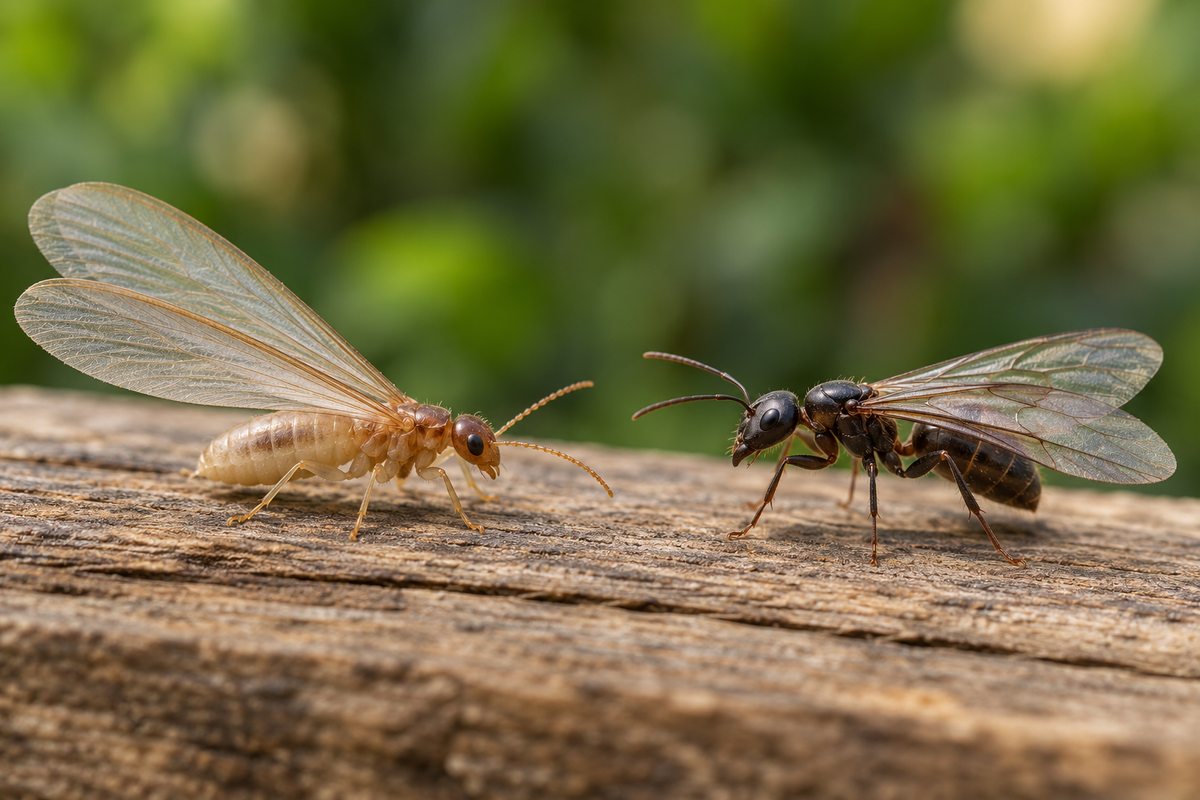
Learn the visible differences between termite swarmers and winged ants, what discarded wings may mean, and when to request an inspection.
Read the guide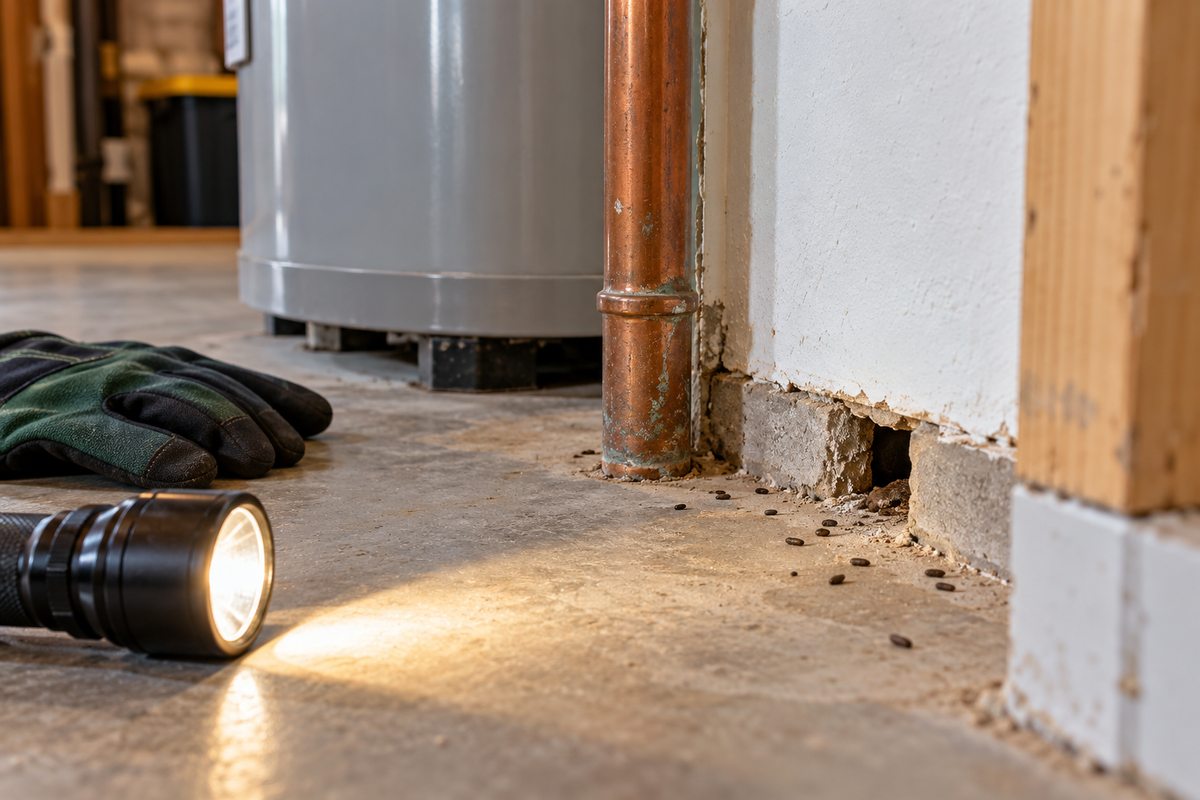
Understand rodent warning signs, safer cleanup, entry-point inspection and the role of exclusion in a complete rodent-control plan.
Read the guide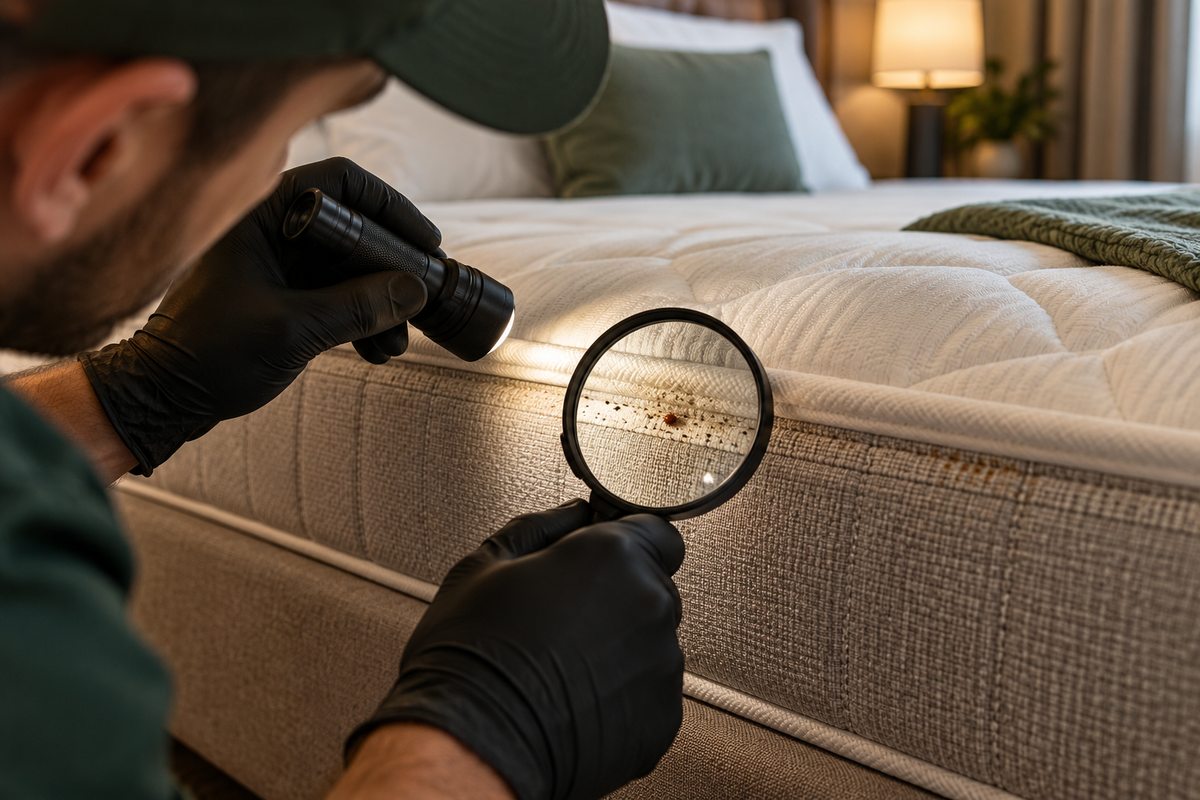
Review evidence associated with bed bugs, why bites are not enough for identification, and how to prepare without spreading activity.
Read the guideRead what customers have shared about their service experiences.
“Had an unexpected mouse issue pop up right before we were hosting family. Called them up and they managed to squeeze us in the very next morning. The technician was super respectful, wore shoe covers without even being asked, and cleared out the problem quickly. Truly a lifesaver!”
“We’ve been using this pest control service for our quarterly maintenance for over a year now. Our tech always takes the extra time to check the basement corners and around the perimeter where bugs usually sneak in. Haven’t seen a single ant or spider inside since we started with them.”
“Good, honest service. They showed up about fifteen minutes later than the initial time window, but the technician called ahead to let me know, which I appreciated. Handled our hornets' nest issue safely and efficiently. Pricing was fair with no hidden upsells.”
“Absolute professionals. We had a persistent carpenter ant problem that two other local companies couldn't seem to kick for good. The team came out, figured out where the nest was hidden, and treated it properly. Haven't seen one since autumn. Highly recommend!”
“I love that they use treatments that are safe for our golden retriever. The office staff is always kind on the phone, and the technicians are full of great tips on how to keep pests away naturally between visits. Excellent local business.”
“Solid experience overall. We spotted some unusual termite activity near the garage door frame. They came out for a thorough inspection, explained everything clearly without trying to scare us into a massive contract, and took care of it. Will definitely use them again if anything pops up.”
“Phenomenal customer service. Booking was smooth, and the tech who came out was extremely knowledgeable about local pests in the area. He answered all my silly questions with a smile and treated the whole house thoroughly.”
“Finding a reliable contractor in this area can be tough, but these guys are top-notch. Quick response time, fair pricing, and they actually guarantee their work. Our basement has been completely dry and pest-free all winter.”
“Very thorough treatment for our fall invader (stink bug) problem. The technician was polite, clean, and worked efficiently. Only giving 4 stars because scheduling took a few days due to them being so busy, but once they arrived, the service was fantastic.”
“Top-tier pest control service. They arrived right on time, treated the yard and foundation for ticks and mosquitoes, and we noticed a massive difference within 24 hours. Great to be able to sit out on the back patio again without getting eaten alive!”
Reviews describe individual experiences and do not create a promise of timing, price, availability, treatment suitability, safety, outcomes, recurring service or warranty coverage. Confirm the current service and written terms for your property.
Service is published only for properties in ZIP codes 21701, 21702, 21703, 21704 and 21705. These ZIP codes cover different property types and do not turn every address into the same pest environment.
When requesting pest control in Frederick, MD, provide the service address and ZIP first. A listed ZIP confirms the published geographic area; it does not automatically confirm that every specialist service, access condition or regulated task is available. Suitability and current scheduling are confirmed separately.
Check the service areaThe service catalogue includes ants, cockroaches, rodents, termites, bed bugs, mosquitoes, ticks, fleas, spiders, occasional invaders, stinging insects, wildlife concerns and commercial pest management. The specific property and evidence determine suitability.
No recurring plan is advertised. Call to discuss the identified concern and the scope of an individual service.
Published coverage is limited to 21701, 21702, 21703, 21704 and 21705.
Precautions depend on the product, placement and service. Mention every household member and animal, then follow the product-specific preparation and re-entry instructions.
A description or clear photograph can support the enquiry, but look-alike pests and concealed activity may require an on-site inspection.
Ask what pest was identified, what evidence supports the finding, which areas and methods are included, what preparation is required, and whether monitoring, exclusion, cleanup or repair is separate.
Clear pest control in Frederick, MD begins with useful evidence. Have the property ZIP, affected areas, timing, photographs and previous treatment details ready.
Call (301) 600-5004 to discuss current availability, inspection needs and the service that best matches the concern.
Call (301) 600-5004